Heat vs. Hardware: How Record-Breaking Temps Wear Down Your Condenser Unit
An overheated AC condenser unit is one of the most common reasons residential cooling systems experience sudden failures during extreme summer weather. When temperatures soar across Montgomery County, your outdoor cooling hardware is forced to work twice as hard to pump indoor heat out of your home.
If your exterior system isn’t well-maintained, severe seasonal heatwaves can easily push sensitive mechanical and electrical components past their absolute breaking points. Understanding exactly how high thermal stress damages your system can help you take proactive measures before an expensive component snaps.

How Extreme Summer Heatwaves Cause Air Conditioner Condenser Failure
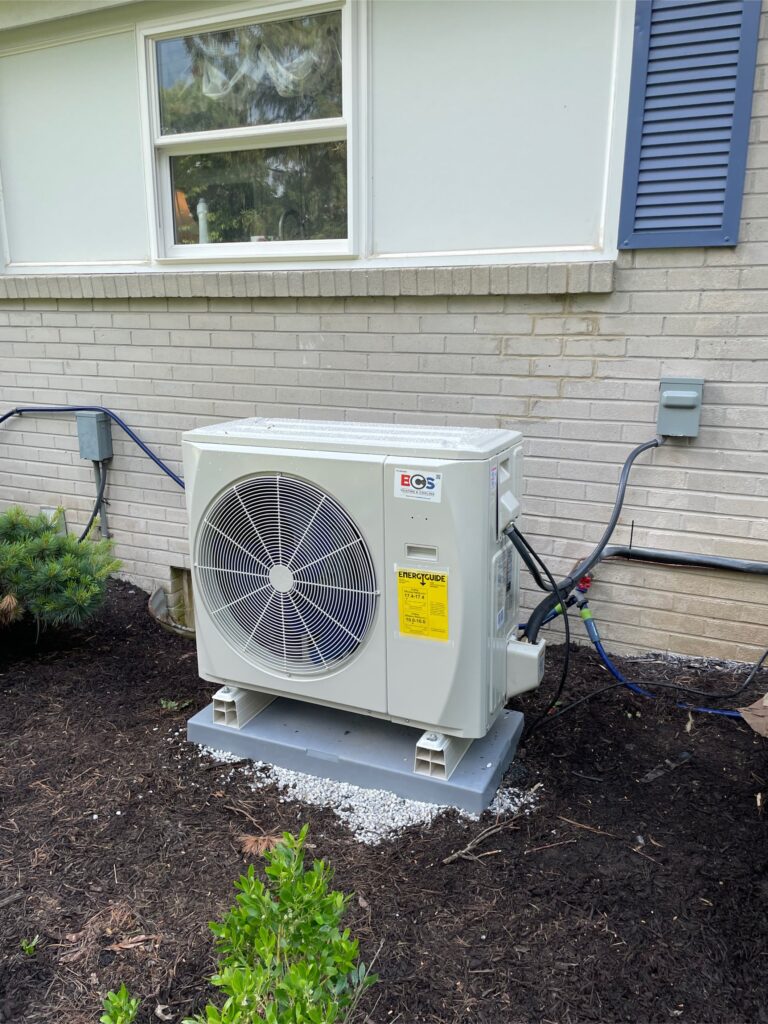
To protect your home, it helps to understand what happens to an outdoor unit under massive environmental stress. The outdoor metal cabinet houses your system’s compressor (the “heart” of the AC) and the condenser coils. Its entire job is to take hot gaseous refrigerant from inside your home and dump that heat into the outdoor air.
When the outdoor air temperature hits 90°F or 100°F, dumping heat becomes incredibly difficult. The system must raise its internal pressure to force the heat outward. This extra work triggers severe summer HVAC strain, forcing internal motors to draw significantly more electrical current. Over time, this intense heat breaks down the lubricating oil inside your compressor, causing mechanical friction that eventually leads to a catastrophic air conditioner condenser failure.
Critical Signs of Severe Summer HVAC Strain
Homeowners often miss the early warning signs of an outdoor unit under duress. Keep a close eye and ear on your outdoor unit during a heatwave to spot structural trouble early:
Healthy Condenser Unit
- Gentle, consistent fan hum
- Steady stream of warm air blowing out the top
- Short, uniform cooling cycles
- Clean, clear exterior metal fins
Overloaded Condenser Unit
- Loud clicking, buzzing, or grinding noises
- Vents blowing lukewarm or room-temperature air indoors
- Continuous running without ever turning off
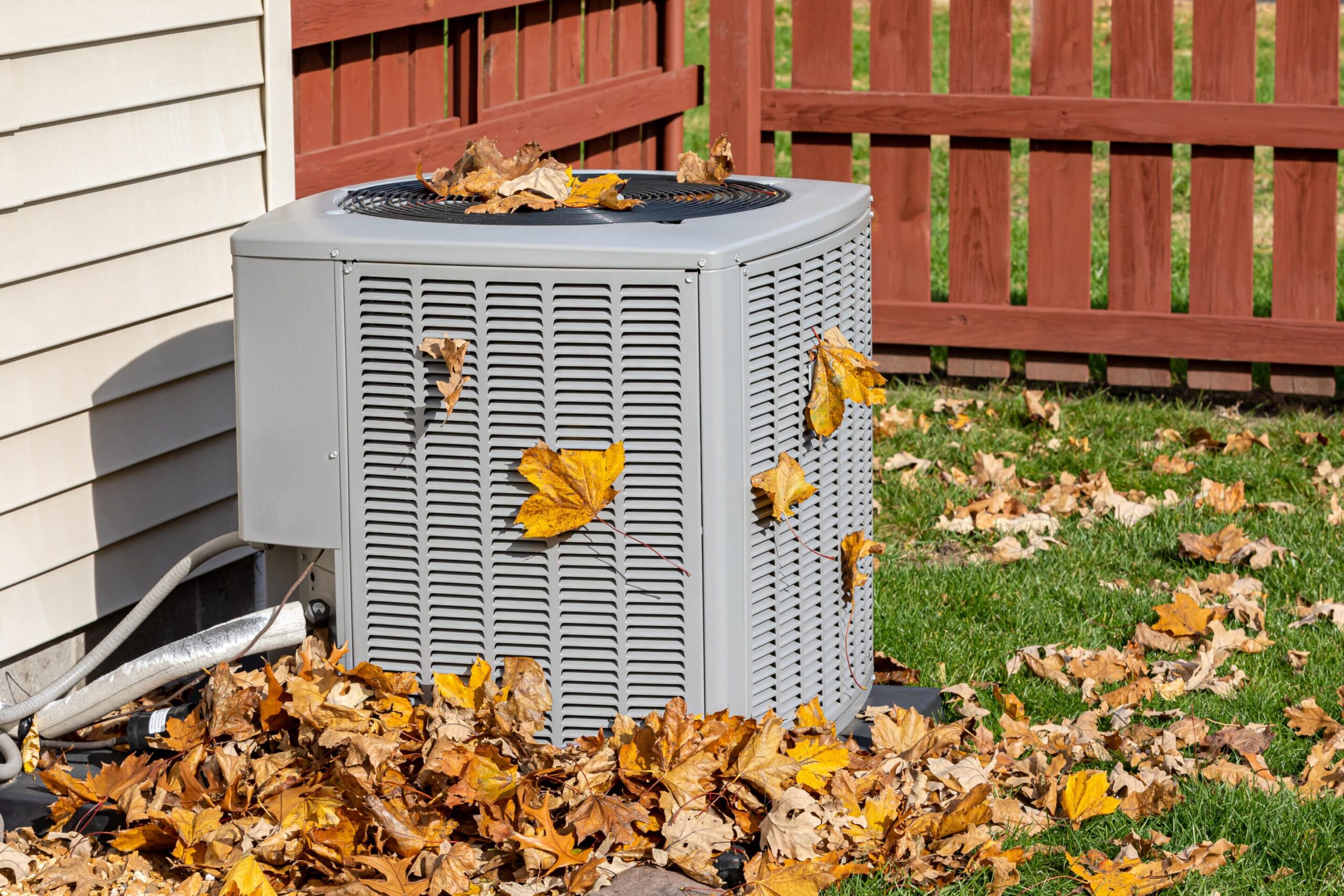
- Heavy layers of grass clippings, cottonwood, or debris
Simple Steps to Prevent Compressor Burnout
You don’t have to sit back and watch your equipment struggle. There are a few easy, immediate actions you can take to alleviate internal pressures and prevent compressor burnout:
- Clear the Perimeter: Keep a 2-foot clear zone around the metal housing. Trim back overgrown weeds, bushes, or ornamental landscaping.
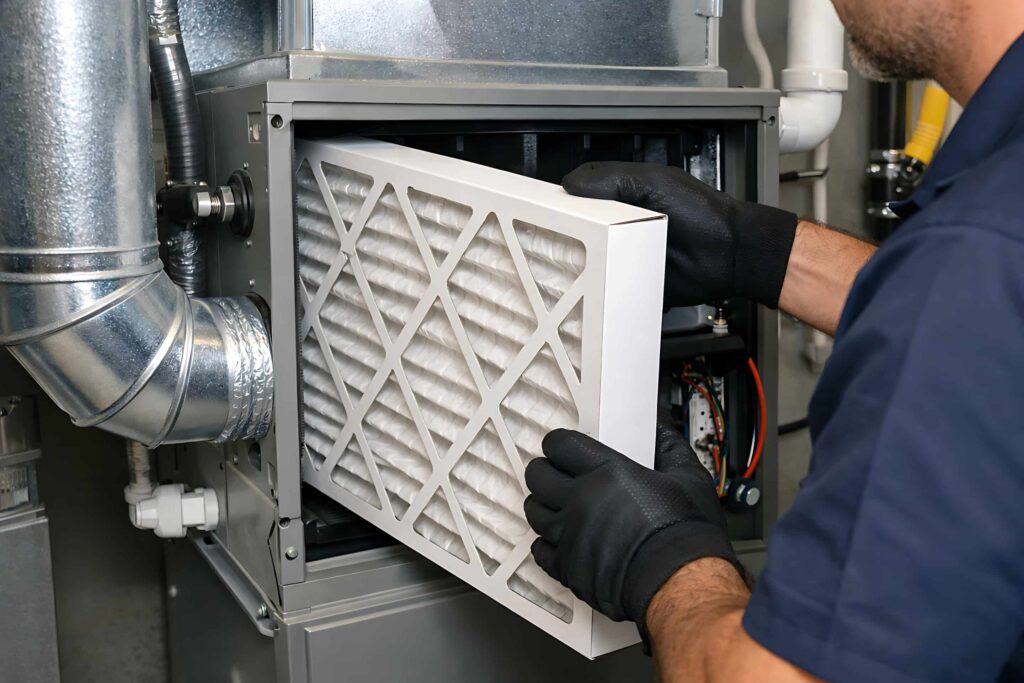
- Change the Indoor Filter: A clogged indoor filter chokes system airflow, making the outdoor machine run longer and work much harder.
- Gently Clean the Coils: Spray down your outdoor unit gently with a garden hose when the system is turned off. Clearing away dust and pollen allows for maximum heat transfer.
Important Safety Note: Never use a high-pressure power washer on your outdoor unit. The high-pressure stream will instantly bend the delicate aluminum cooling fins, permanently blocking airflow and worsening system overheating.
Protect Your System from Failure
If you suspect your system is starting to struggle or making strange noises under the summer sun, do not wait for it to stop working completely. Contact the cooling specialists at Brothers Comfort Services immediately to schedule an emergency inspection and ensure your home stays perfectly safe and cool all season long.