The Ultimate Guide to Whole Home Generators: Keep Your Home Powered During Outages
When a power outage strikes, it’s more than an inconvenience — it can disrupt your comfort, safety, and everyday routines. This is where a whole home generator becomes invaluable. Unlike a portable generator, which powers only a few essential devices, a whole home generator is designed to seamlessly supply electricity to your entire home, ensuring that life goes on without interruption. In this guide, we’ll dive into what a whole home generator is, how it works, and why it might be a smart investment for your home.
What is a Whole Home Generator?
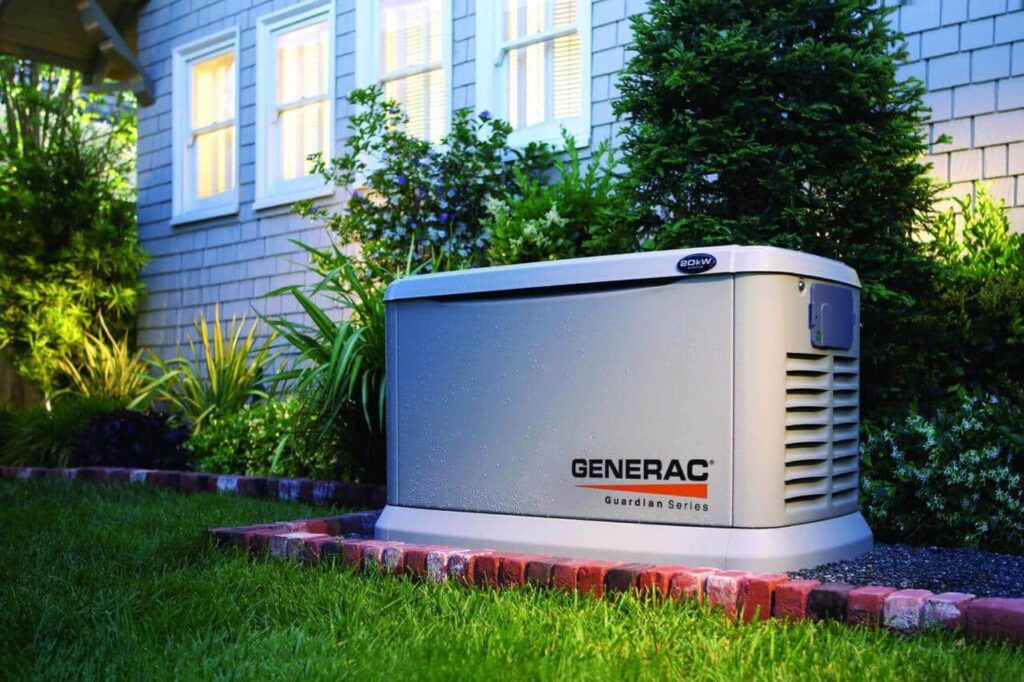
Whole Home Generators
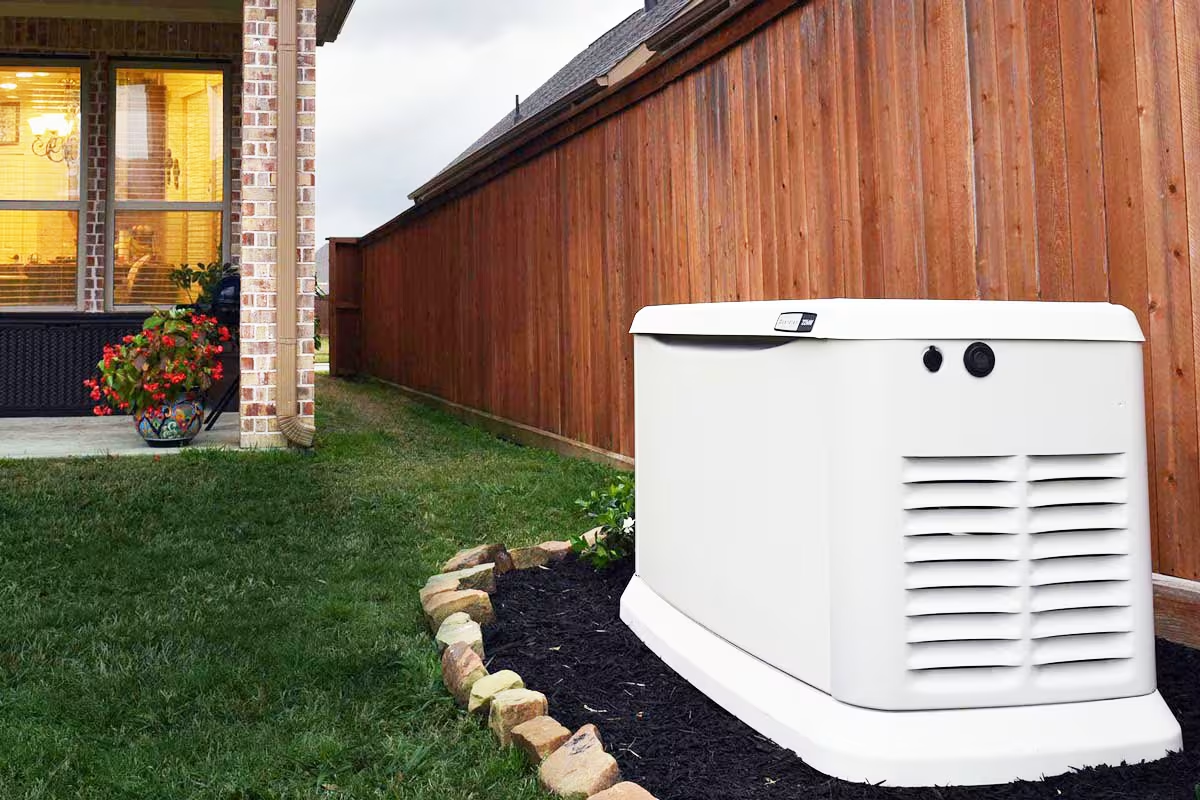
A whole home generator, also known as a standby generator, is a permanently installed system that automatically powers your entire house during an outage. It’s fueled by natural gas, propane, or diesel, and it connects to your home’s electrical panel through an automatic transfer switch. When the generator senses a power loss, it activates within seconds, providing a continuous power supply to your home until the utility power is restored.
Unlike portable units, which require manual setup and can power only a few select items, a whole house generator is designed to keep all your major systems and appliances running—like HVAC, refrigerators, lights, and even medical equipment. This type of generator is an investment in your home’s resilience and your family’s comfort.
How Does It Work?
The core functionality of a whole home generator relies on a sophisticated system of sensors and an automatic transfer switch. Here’s a step-by-step look at how it works:
- Power Loss Detection: The generator monitors your home’s connection to the utility power supply.
- Automatic Activation: When it detects a power outage, the automatic transfer switch disconnects your home from the grid and signals the generator to start.
- Seamless Power Supply: Within seconds, the generator powers up and begins supplying electricity to your home.
- Power Restoration: Once utility power is restored, the system automatically transfers your home back to the grid and shuts the generator down.
This seamless process ensures that your home’s power remains consistent, minimizing disruptions and preventing damage to electronics or appliances.
Benefits of a Whole Home Generator
Investing in a whole home generator offers more than just backup power—it brings peace of mind and several practical benefits that make it a worthwhile addition to your home:
- Uninterrupted Comfort: Keep essential systems like heating, cooling, and refrigeration running, maintaining a comfortable environment no matter the weather outside.
- Protection for Sensitive Electronics: Unlike portable generators, whole home units provide cleaner and more stable power, reducing the risk of power surges that can damage sensitive electronics.
- Increased Safety: Power outages can lead to safety concerns, especially at night. A whole home generator ensures your home is well-lit and your security systems remain operational.
- Prevent Food Spoilage: Keep your refrigerator and freezer running, avoiding costly food spoilage during extended outages.
- Convenience and Ease of Use: No more struggling to set up a portable generator in bad weather or darkness. Whole home generators start automatically without any intervention.
- Home Value Boost: A permanently installed generator can increase the value of your property, making it an attractive feature for future buyers.
Choosing the Right Whole Home Generator
Selecting the right generator for your home involves assessing your power needs and understanding the options available. Here are a few factors to consider:
- Power Output (Kilowatts): Determine how much power your home requires to keep essential systems and desired appliances running. This is typically measured in kilowatts (kW). For a rough estimate, a 22-24 kW generator is sufficient for an average-sized home.
- Fuel Type: Choose between natural gas, propane, or diesel. Natural gas is a popular choice for residential use because it offers continuous fuel supply and burns cleanly. Propane is a good alternative in areas without natural gas lines, while diesel is typically reserved for larger homes and commercial properties.
- Noise Levels: Modern generators are much quieter than older models, but it’s still important to check the decibel ratings and ensure compliance with local noise regulations.
- Automatic Transfer Switch: Look for a unit with a high-quality transfer switch that can handle your home’s load requirements and prioritize critical systems if necessary.
- Installation and Permitting: Whole home generators require professional installation, which can include obtaining permits and making modifications to your home’s electrical system. Ensure that the installer is certified and familiar with local codes.
Maintaining Your Whole Home Generator
Like any major home appliance, a whole home generator needs regular maintenance to ensure it’s ready to perform when needed. Here are some maintenance tips to keep your system running smoothly:
- Regular Oil and Filter Changes: Follow the manufacturer’s guidelines on oil and filter changes based on run time.
- Battery Inspection: Test and replace the generator’s battery as needed to avoid startup issues.
- Fuel Supply Checks: Inspect fuel connections for leaks and ensure an adequate fuel supply for propane or diesel models.
- Exercise the System: Most generators have an automatic weekly self-test function. Make sure this is enabled, and run manual tests every few months to keep everything in working order.
Is a Whole Home Generator Right for You?
A whole home generator is a significant investment, but for homeowners who experience frequent or prolonged outages, it’s a game-changer. It’s ideal for anyone looking to maintain uninterrupted power to their entire home and eliminate the hassle of setting up temporary power sources.
If you live in an area prone to severe weather, have critical home systems (like medical equipment), or simply want peace of mind knowing your home is always protected, a whole home generator can offer unparalleled reliability and security.
—
In summary, a whole home generator is more than just a backup power source—it’s a long-term solution that keeps your family safe and comfortable during unpredictable power outages. With a range of options and features to choose from, there’s a whole home generator that can meet your needs and ensure you’re never left in the dark again.